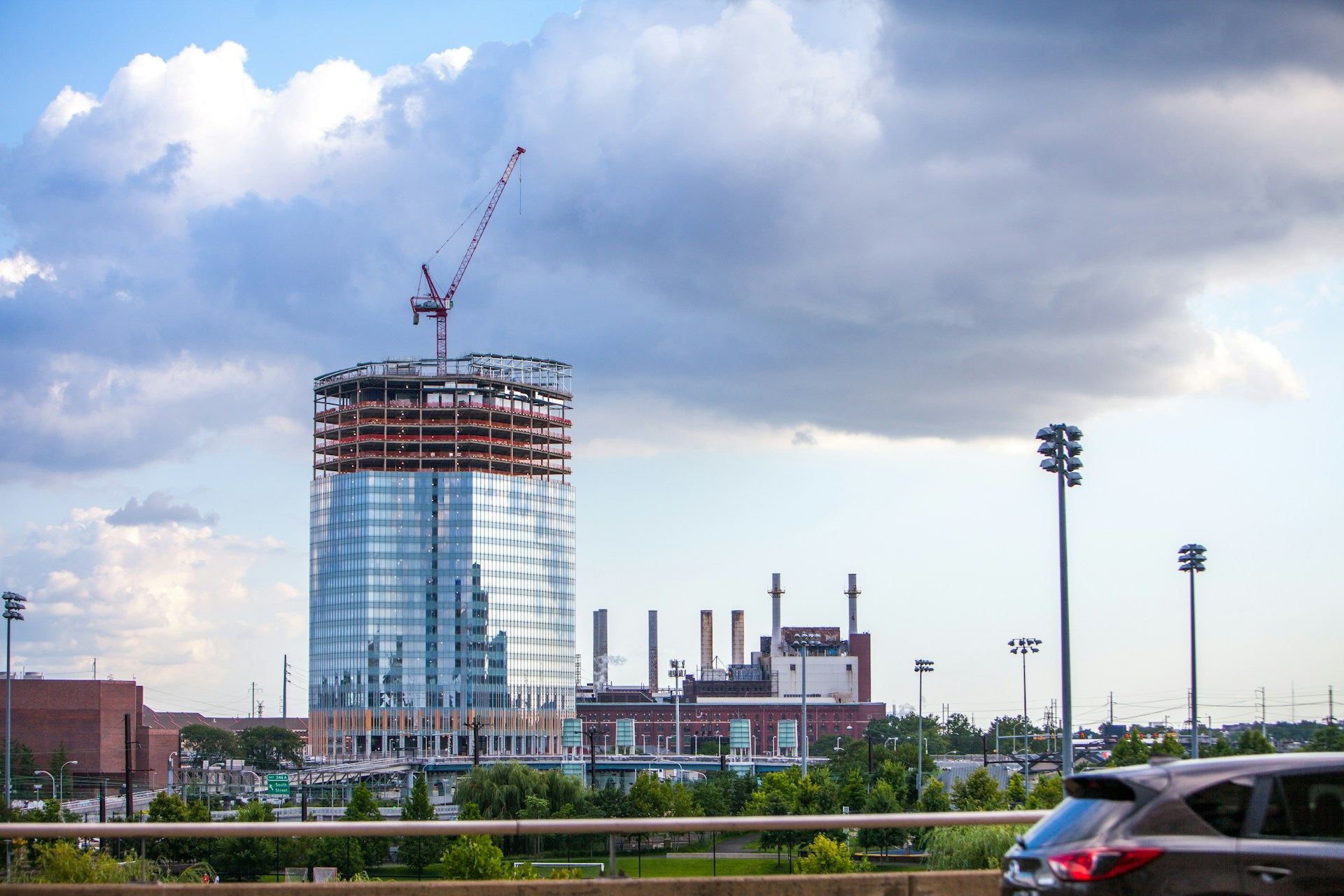
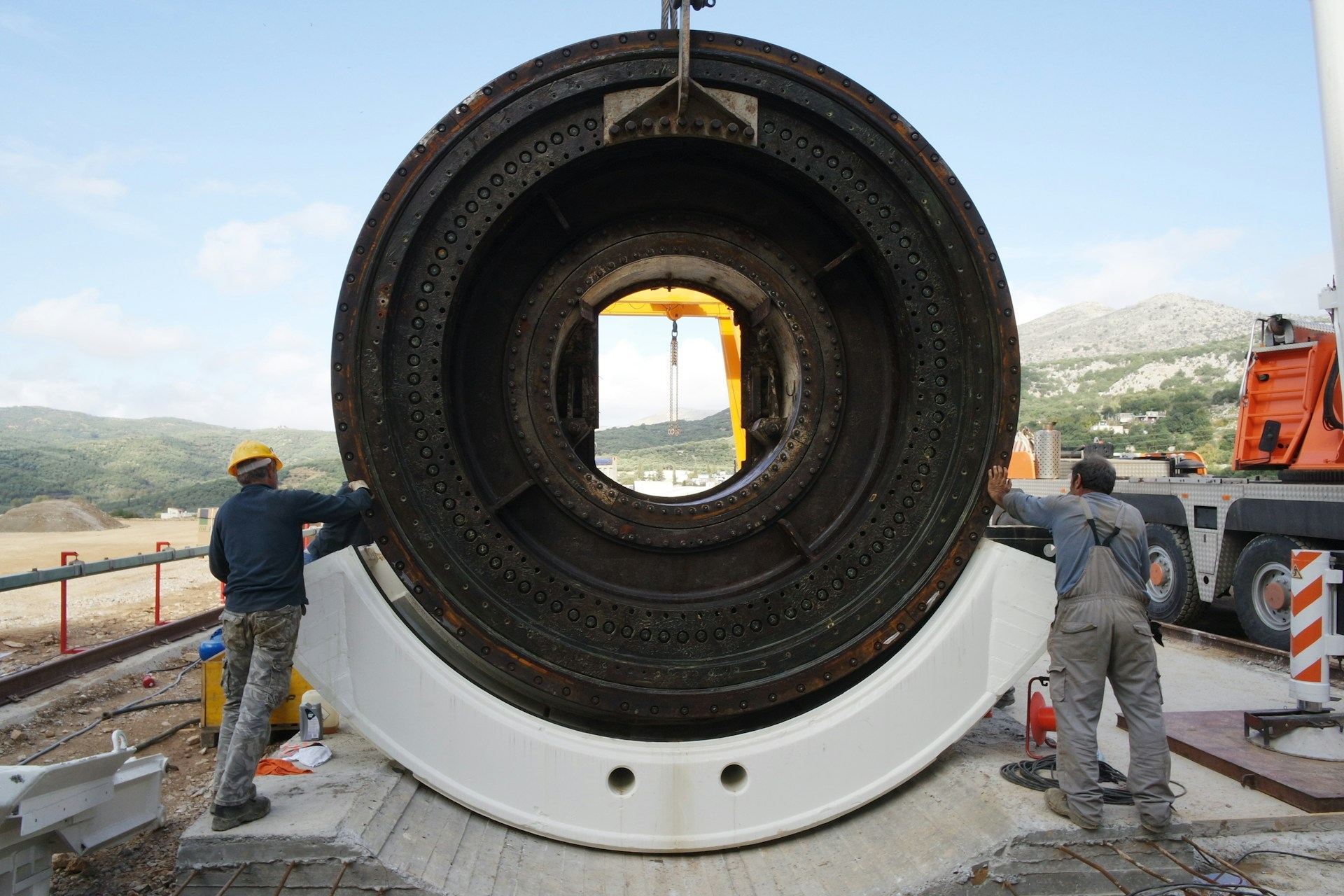
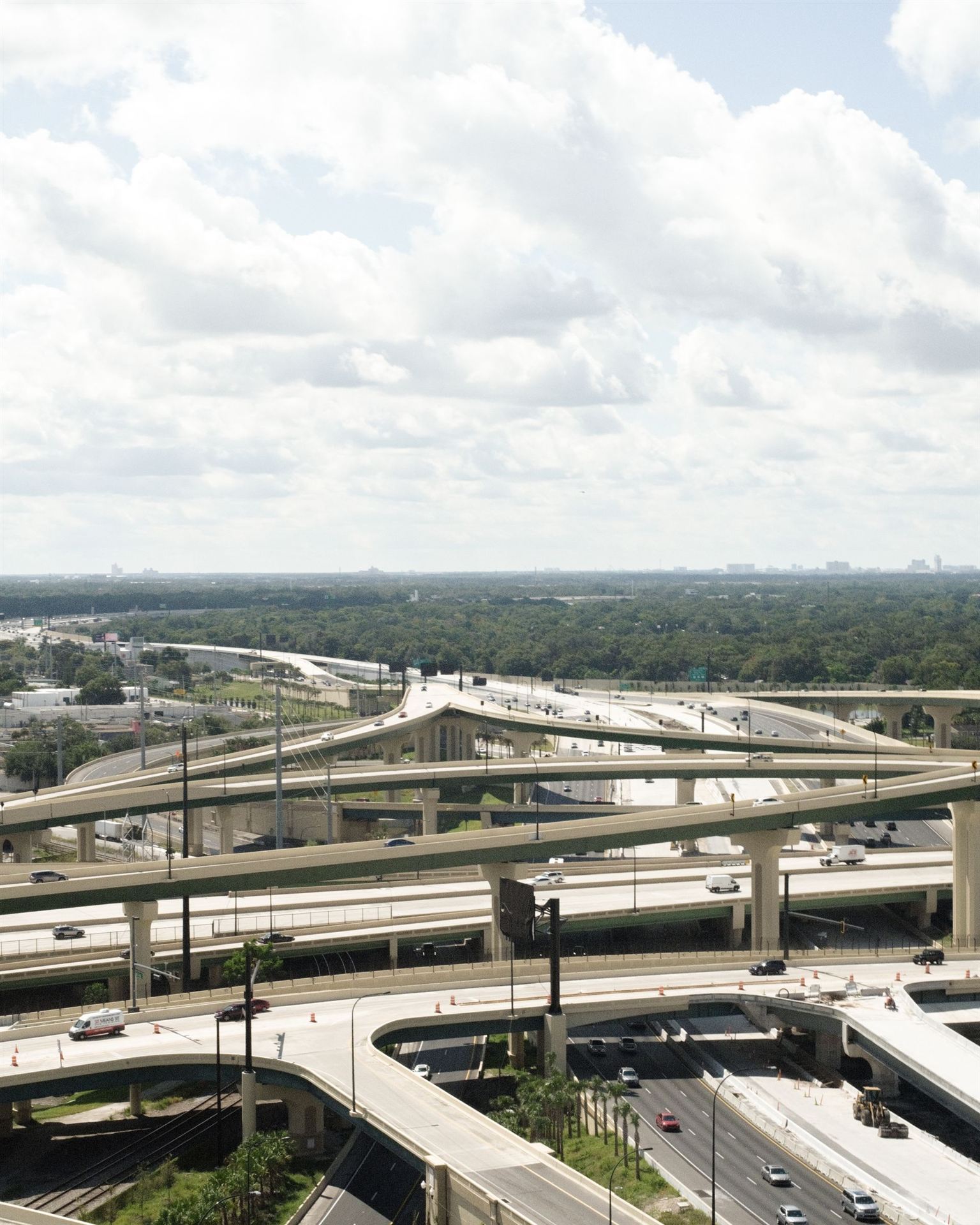
Keep traffic moving. Keep the date.
Interstate interchanges, major bridges and commuter rail. Long programs where traffic switches, utility relocations and agency reviews own more of the critical path than the builder does.
- Projects shown
- 3
- Their capital value
- $1.33B
- Services, one team
- 16
What goes late on a corridor.
Three places the date is usually lost, long before anyone admits it.
Traffic switches drive the job
Each switch opens the next work zone. A late switch delays everything behind it, often by a season, because paving and striping wait on the weather.
Utilities and right of way
Relocations and land acquisition sit largely outside the builder’s control and often own the early critical path. They belong in the logic with real dates.
Agencies expect a defensible record
DOTs and transit agencies want schedules that meet their specification and monthly narratives that explain every variance in the critical path.
The corridor work we control.
- 01
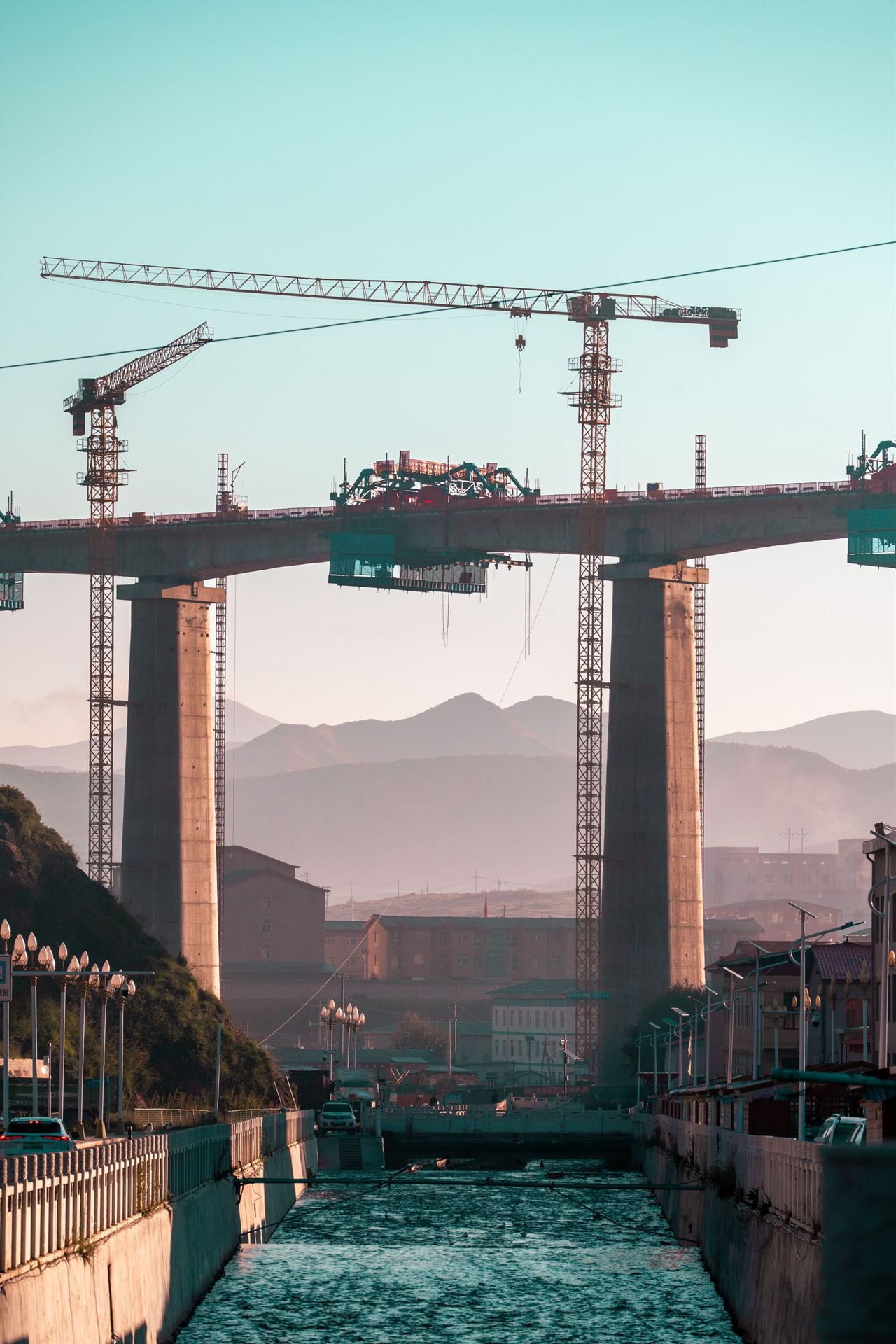
Interchanges and corridors
Multi-phase reconstruction under live traffic, with every phase tied to a traffic switch and a reopening time.
- 02
Bridges and river crossings
Major spans with marine work, deep foundations and erection sequences planned to the day and the season.
- 03
Commuter and light rail
Track, systems, stations and integrated testing carried through to the first day of revenue service.
- 04
Design-build programs
Design packages, agency reviews and early works scheduled alongside construction, not after it.
The numbers we watch here.
Every update, these four tell you whether the date is holding or quietly slipping.
Traffic switch dates
Each switch forecast against plan, with the work zones it releases shown behind it in the logic.
Utility relocation status
Every relocation by owner and utility, tracked to need date, because these are the delays that arrive with no warning.
Design review cycle time
Days from submittal to agency comment on each design package, the hidden driver on most design-build jobs.
Weather days used
Weather days consumed versus the allowance in the baseline, so the season ahead is planned on real numbers.
The services that carry the weight.
Four of our 16 services do most of the work in this market.
Baselines that meet DOT and transit specifications, with traffic phases and utility work logically linked.
Monthly updates and narratives that explain changes to the critical path in language a program director can use.
Time impact analysis and windows analysis for utility, right of way and design delays.
Program support for agencies running design-build and CM/GC contracts, from procurement to closeout.
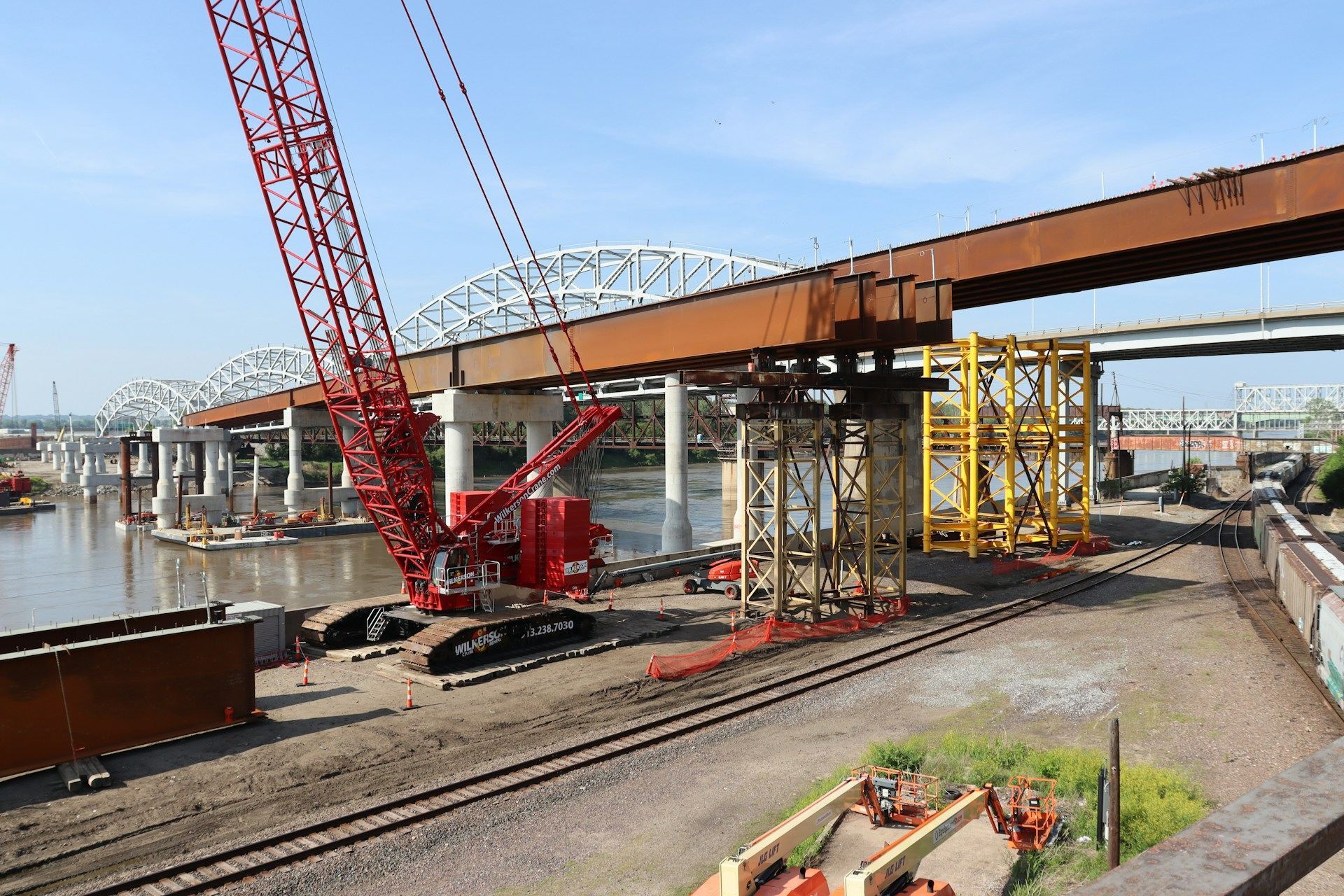
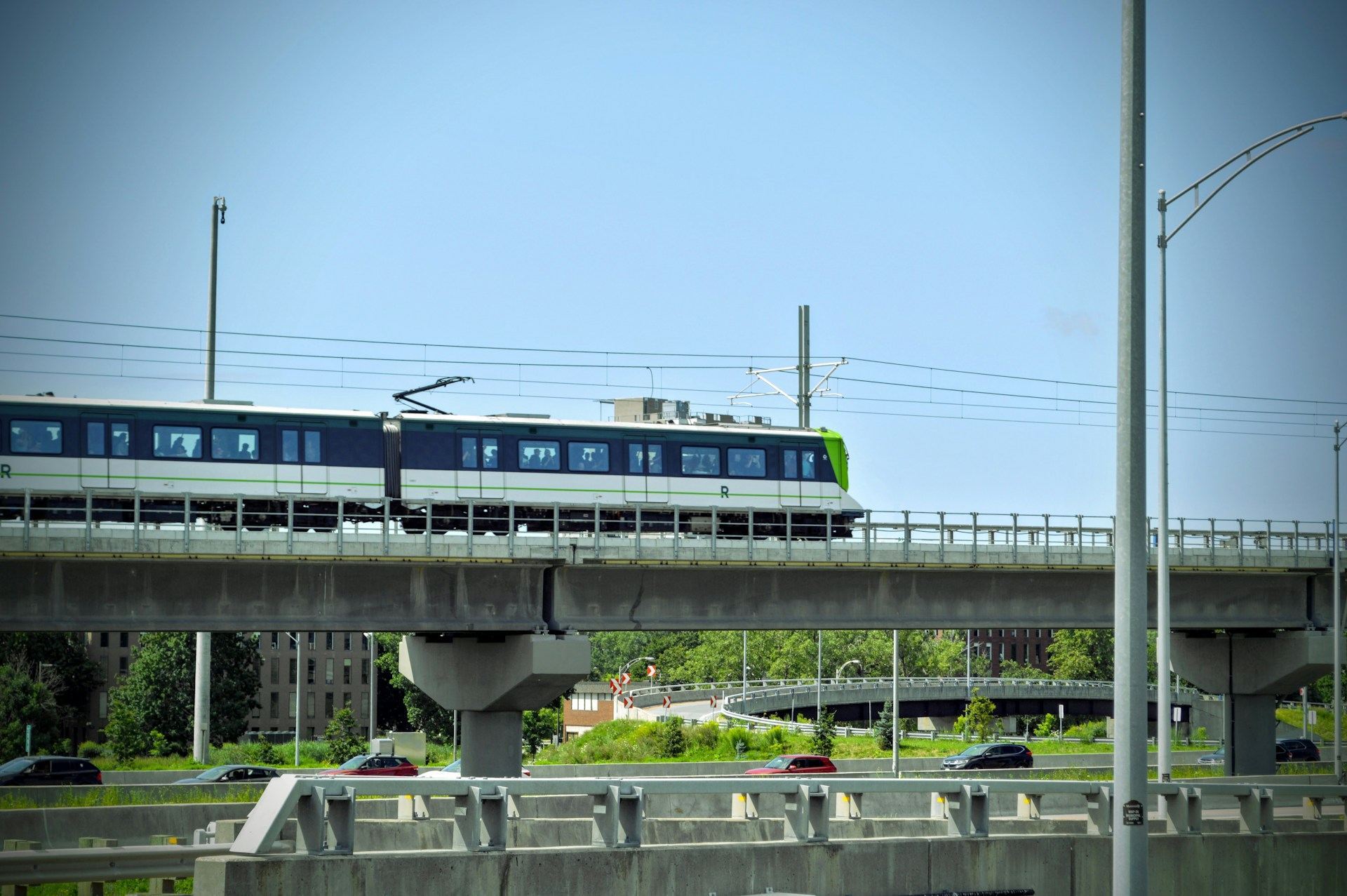
Projects we have controlled.
Owners stay confidential. Each project shows its region, capital value and status.
Questions owners ask us.
Can you meet our DOT schedule specification?
Yes. We build and review schedules against the agency specification and recognized scheduling practice, and flag gaps before submittal.
Do you work on design-build projects?
Yes. We schedule design packages, reviews and early works with construction, so the time design-build is meant to save is visible.
Can you help with a delay claim on a highway project?
Yes. We analyze the as-planned and as-built record and show what caused the delay and who controlled it.

Show us the date that matters.
Send us the transportation project, the current schedule and the date you are protecting. A senior project controls lead replies within one business day.